

 You’re at the airport, excited for your trip, and you finally get your boarding pass… only to see four ominous letters printed on it: SSSS.
If this has happened to you, you’ve been selected for a Secondary Security Screening Selection. While it’s certainly not a cause for celebration, it’s also not the “kiss of death” some travelers make it out to be. As your dedicated travel partner, we’re here to demystify what ‘SSSS’ means and give you practical tips for a smoother experience.
What Does ‘SSSS’ Actually Mean?
‘SSSS’ stands for Secondary Security Screening Selection. It’s a designation given by the Transportation Security Administration’s (TSA) Secure Flight system, which flags a passenger for an enhanced security screening before they are allowed to board a flight to, from, within, or overflying the U.S.
In short: you’re getting a more thorough check.
What Triggers an ‘SSSS’ Selection?
The exact criteria are kept secret for security reasons, but the selection is generally based on a risk-based analysis that can include a random element.
Anecdotally, here are some of the actions or situations that may correlate with receiving an ‘SSSS’ flag:
- One-Way International Tickets: While common for points and miles enthusiasts, one-way bookings can sometimes appear suspicious.
- Last-Minute Bookings: Purchasing a ticket within 24–48 hours of departure may trigger a flag.
- Irregular Booking Patterns: This can include booking a flight using cash or a complicated itinerary involving multiple stops or countries.
- Name Similarities: You might share a name with someone on a watch list.
- Pure Randomness: Sometimes, you’re simply selected by chance.
Important Note: Even if you have TSA PreCheck or Global Entry, you are not immune from the ‘SSSS’ selection. Security protocols are designed to override these programs when necessary.
Your Action Plan: 5 Tips for a Smoother SSSS Screening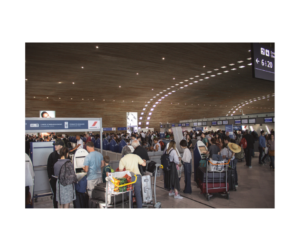
Finding ‘SSSS’ on your boarding pass doesn’t mean your trip is ruined, but it does mean you need to be prepared. Here’s what you should do:
1. Arrive Extra Early
The secondary screening process takes longer than standard security. Plan to arrive at the airport significantly earlier than usual. This extra time is your best defense against missing your flight.
2. Don’t Rely on Online/Mobile Check-In
A major early sign of an ‘SSSS’ flag is being unable to check-in or print your boarding pass online or on your airline’s app. You will be instructed to see an agent at the airport. You must get your physical boarding pass printed at the check-in desk.
3. Know What to Expect
The screening can happen at the main checkpoint, at a separate secondary area, or right at the gate. Expect the following:
-
- Property Screening: Your carry-on luggage will be opened, inspected by hand, and possibly swabbed for explosive trace detection.
- Body Screening: You may go through advanced imaging, followed by a more comprehensive pat-down.
- Electronics: Keep your devices charged and accessible, as you may be asked to power them on.
4. Stay Calm and Cooperate
The officers are simply doing their job. Be polite, follow instructions promptly, and try to remain patient. Remember, this is a routine procedure, and cooperating is the fastest way to get to your gate.
5. If it Happens Regularly, Seek Redress
If you find yourself frequently selected for ‘SSSS’ and believe it’s an error (perhaps due to a name similarity), you can apply for the DHS Traveler Redress Inquiry Program (TRIP). This program provides a way to resolve issues with watch lists and screening and will give you a Redress Control Number to use when booking future flights.
The ‘SSSS’ designation can be annoying, but it is a safety measure designed to keep air travel secure. By arriving early, knowing what to expect, and keeping your cool, you can minimize the disruption and get back to focusing on the excitement of your travel adventure!
Need help planning a complex itinerary? Let us handle the details so you can stress less. Contact Travel by Corie today to book your next trip!
Happy Travels!

